

 reportreeweb@gmail.com
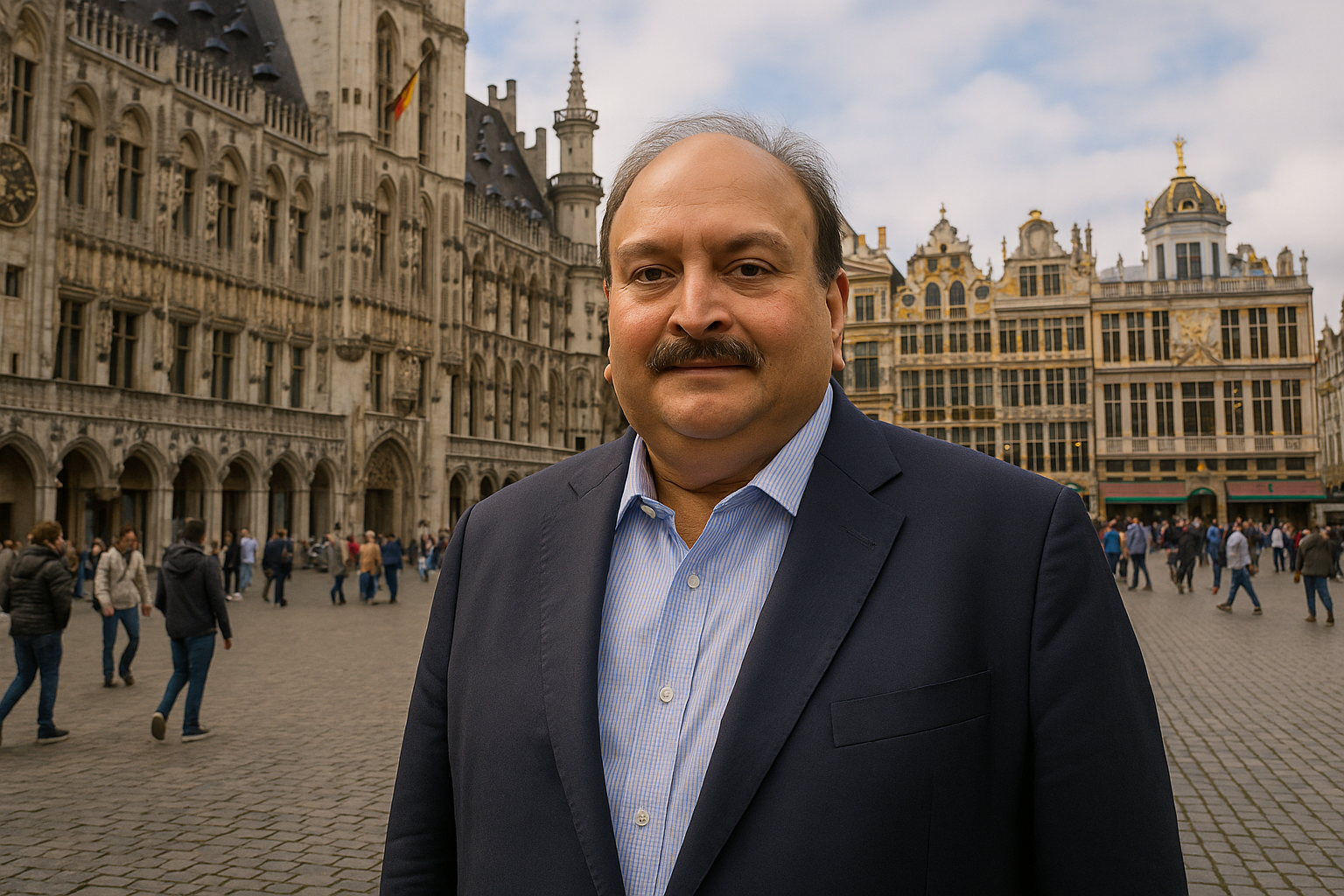
 Mehul Choksi in Belgium
Mehul Choksi, the fugitive Indian businessman at the center of one of India’s largest financial frauds, has once again surfaced in headlines — this time reportedly in Belgium. Accused of masterminding a massive ₹13,500 crore loan fraud against Punjab National Bank (PNB), Choksi fled India in 2018 and has since evaded extradition. While his last known location was Antigua and Barbuda, recent developments suggest he may have moved to Belgium. The news has reignited calls for his arrest and extradition to India.
Who Is Mehul Choksi?
Mehul Choksi is a diamond merchant and the former chairman of Gitanjali Group, once a prominent jewelry brand in India. He is also the uncle of Nirav Modi, another fugitive implicated in the same PNB scam. Choksi allegedly used fraudulent Letters of Undertaking (LoUs) to secure loans from Indian banks, which were later siphoned off and never repaid.
In 2018, just days before the scam was publicly revealed, Choksi fled India and acquired citizenship in Antigua and Barbuda under its Citizenship by Investment Program. Since then, he has remained a controversial figure, battling legal cases related to his extradition.
Reports of Mehul Choksi in Belgium
In April 2025, multiple media reports surfaced suggesting that Mehul Choksi might have relocated to Belgium, raising questions about his intentions and the status of legal proceedings. Though unconfirmed officially, these reports are based on intelligence inputs and immigration data that allegedly trace his movements out of Antigua.
Belgium’s involvement is significant. As a member of the European Union, Belgium follows a structured legal framework for extradition, especially when it involves non-EU nations like India. Indian authorities are now closely monitoring the situation and are believed to be in contact with Belgian officials to confirm Choksi’s presence and initiate diplomatic dialogue.
Legal Complications & Extradition Challenges
Extraditing Mehul Choksi has proven to be a legal and diplomatic maze. In 2021, an alleged kidnapping attempt from Antigua to Dominica resulted in an international incident. The Dominica government initially detained Choksi but later allowed him to return to Antigua on medical grounds.
If Choksi is indeed in Belgium, Indian authorities may face a new set of legal hurdles. Belgium and India signed an extradition treaty in 1997, but executing it requires a strong presentation of legal evidence and must pass the Belgian judicial system’s rigorous human rights standards.
What This Means for India
For India, Choksi’s potential relocation is both a challenge and an opportunity. On one hand, his movement across borders makes it harder to pin down his legal jurisdiction. On the other, if located in Belgium, Indian authorities might find more structured and cooperative legal avenues compared to Caribbean nations, thanks to EU laws and bilateral treaties.
Moreover, the case is symbolic — bringing Choksi back to India would be a major win for the Indian legal system and a deterrent to future economic offenders.
Conclusion
As speculation about Mehul Choksi’s presence in Belgium grows, so does pressure on both Indian and Belgian authorities to act decisively. Whether these developments will lead to his extradition remains to be seen, but one thing is certain: the saga of Mehul Choksi is far from over. His movements will continue to be watched closely, not only by law enforcement but also by the public who demand accountability in one of India’s largest financial fraud cases.
Let me know if you’d like this formatted for a blog, news portal, or optimized further with internal links and structured headings.
0 Comment